

The True Origin of Al Bundy: America’s Most Honest Dad
April 6, 2026
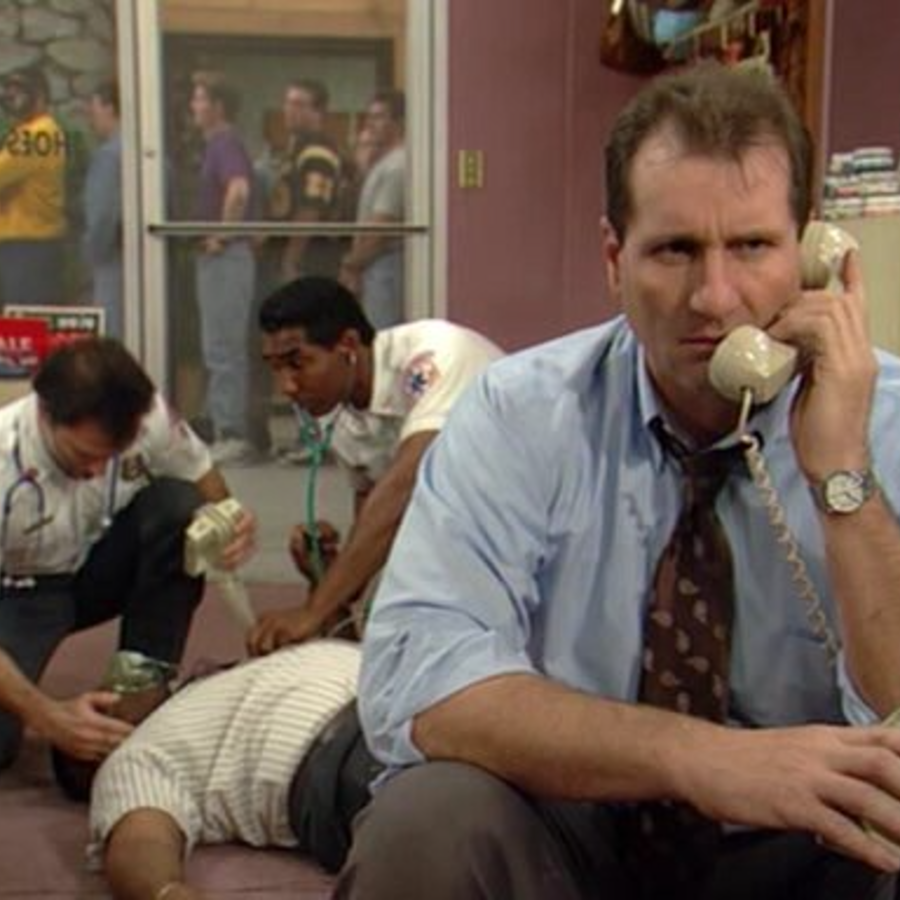
Al Bundy didn’t come from a joke. He came from an idea, one that TV desperately needed. In the 1980s, sitcom dads were perfect. They gave heartfelt speeches. They solved problems. They were the emotional backbone of their families. They were heroes.
Our creators asked a simple question: what if we told the truth?
Al was built from pieces of real working-class men, the ones who carried stress in their backs, sarcasm in their voices, and dreams of glory buried under decades of responsibility. He wasn’t a parody. He was a tribute. A tribute to every guy who got up every day, went to a job he hated, came home exhausted, and somehow found the humor in all of it.
Ed O’Neill infused the character with a physicality that became iconic. The slumped shoulders. The slow walk. The sigh that could kill a plant. Ed once said he channeled men he grew up with, guys who spent more time complaining than celebrating, but who would bleed for their families if they had to. Al was rude, loud, frustrated, and stubborn, but underneath it all was a man who never quit.
The writers knew they had something special when Ed started improvising tiny gestures: the hand-in-the-pants stance, the shoe-salesman hunch, the thousand-yard stare. These weren’t scripted. They came from Ed understanding the soul of the character.
Al Bundy became a legend not because he was heroic, but because he was honest. He showed the world a dad who didn’t know the answers, didn’t pretend to, and didn’t care if you judged him for it.
That’s what made him real.

Look, I lived with the man. The slumped shoulders? That was just gravity giving up on him like everything else. The thousand-yard stare? That’s what happens when you’ve seen 10,000 feet and none of them belong to a supermodel. But I’ll say this, Dad never quit. Not on the couch, not on the remote, and not on us. Even when Kelly couldn’t spell “family” and I couldn’t get a date to save my life, he still dragged himself home from that shoe store every single day. That’s not nothing. That’s actually kind of everything, if you think about it. Not that I’d ever tell him that to his face.